
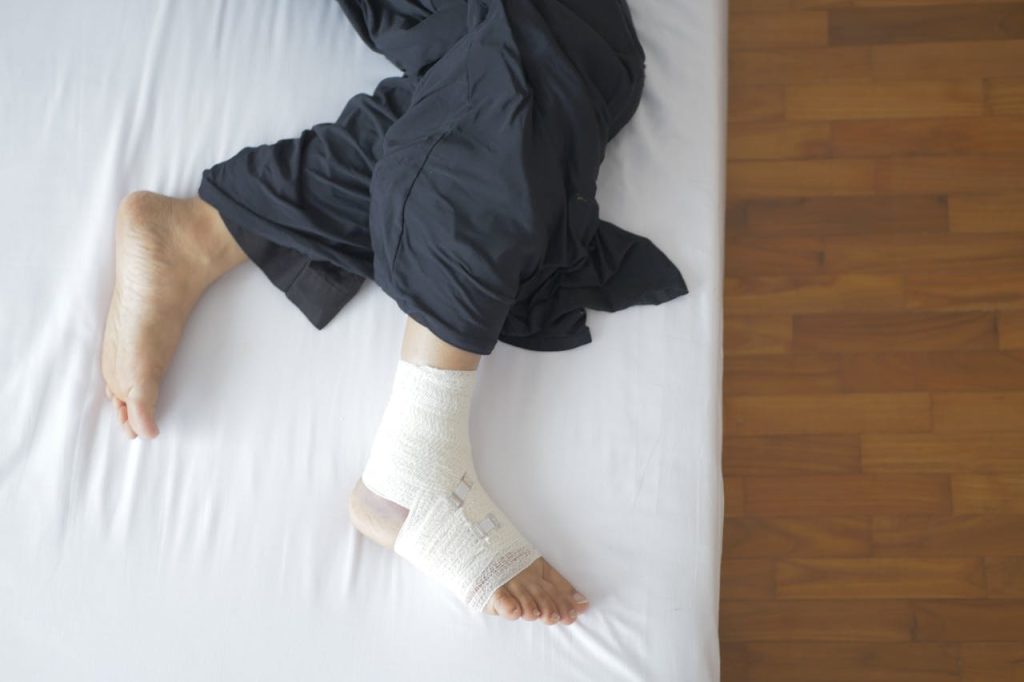
One moment you’re exercising as usual, the next you feel a sudden snapping sensation in your calf. It may feel like you’ve been kicked in the back of the leg or like you’ve lost strength in your foot.
If that’s the case, you may have experienced an Achilles tendon rupture. An Achilles tendon rupture may be quite painful and make it difficult to put weight on your leg, let alone go about your day.
In this article, we’ll explain exactly what an Achilles tendon rupture is, the symptoms to look out for, what causes it, and how it may be treated.
Looking for podiatry services in Northcote? Reach out to the Ankle Foot and Orthotic Centre for tailored, compassionate care. With years of experience, we’ll help you manage a wide range of foot health concerns.
What Happens When the Achilles Tendon Ruptures?
An Achilles tendon rupture is an incredibly painful and worrying experience. It occurs when your calf muscles are put under significant pressure, leading to increased muscle tightness.
Over time, this pressure continues to pull on the Achilles tendon and may eventually cause it to tear. In some cases, this may be minor, such as a microtear or partial tear. In more severe cases, a complete rupture may occur.
Symptoms of an Achilles Tendon Rupture
Achilles tendon ruptures can be difficult to diagnose. An estimated 25% of Achilles tendon ruptures are missed by the first doctor to assess the injury.
Because of this, it’s important to be able to identify an Achilles rupture so that you may find support sooner. Here are several symptoms you may experience:
- A snapping sensation in the calf
- Acute Achilles tendon pain
- Swelling near the heel
- Difficulty holding weight on the injured leg
- Difficulty bending the foot
If you’re unsure whether you have experienced an Achilles rupture, a podiatrist may assess your concerns and help organise any further testing you may need.
Common Causes of Achilles Tendon Ruptures
There are several potential causes of an Achilles tendon rupture. The most common is calf muscle tightness, often brought on by excessive exercise or inadequate stretching over time.
Other contributing factors may include:
- Poorly Fitted Shoes
Poorly fitted and unsupportive footwear may place additional strain on your lower-limb muscles. - Poor Technique
Poor exercise or stretching technique may increase the risk of injuries. - Increased Intensity
Suddenly increasing the intensity of your exercise may put too much strain on your lower limbs too quickly, increasing the chance of a tear. - Sudden Falls
Falling from a height and landing awkwardly may put sudden, intense pressure on your Achilles tendon and cause a tear.
Is There a way to Prevent an Achilles Tendon Rupture?
There are several ways you may be able to help reduce your risk of an Achilles tendon rupture. Ensure you are taking at least ten to fifteen minutes to stretch before and after exercise or intense activities.
Increase your training intensity slowly and vary your exercises, so that pressure isn’t focused on specific muscles. Likewise, try to avoid running on hard or slippery surfaces.
If you would like further support, consider reaching out to a podiatrist. They may be able to assess the biomechanics of your movement and give you tailored advice to help improve your technique and reduce risks.
Treating Achilles Tendon Ruptures
Achilles tendon ruptures need care to help them recover properly. Without the right support, your injury could develop into a more severe tear, chronic Achilles tendon pathology or ongoing pain.
There are a few ways Achilles tendon ruptures may be treated. Here we’ll explain each option and how it may help.
Immobilisation
If your Achilles tendon has ruptured, it will need to be stabilised. At the Ankle Foot and Orthotic Centre, we immobilise injured limbs using moon boots, casts or even stiff-soled shoes.
Likewise, our team may strap and tape the affected area to help provide additional support. By keeping your foot still, you may reduce the strain it is under and help it recover faster.
Shockwave Therapy
Shockwave therapy is a non-invasive treatment that aims to relieve pain and improve circulation. It uses targeted sound waves directed at the affected area to stimulate it, which may help speed up your recovery.
At Ankle Foot and Orthotic Centre, shockwave therapy for Achilles pain is often paired with other treatments to help manage discomfort and support your overall recovery.
Custom Orthotics
Custom orthotics are designed to help support and correct your feet, reducing pressure and strain being placed on your lower limbs. While they may not directly treat an Achilles tendon rupture, they may help reduce the risk of re-injury.
At the Ankle Foot and Orthotic Centre, our team makes custom orthotics in-house, so you may be confident that quality is prioritised at every step.
Find Reliable Care With The Ankle Foot and Orthotic Centre
Achilles tendon ruptures can seriously affect your day-to-day life, from managing pain to running errands and staying active. But it doesn’t have to keep holding you back.
If you need local support for an Achilles tendon rupture or any other foot concern, we’re here to help. Our experienced podiatrists proudly serve Northcote and the surrounding suburbs, helping our community thrive with healthier feet.
If you’re looking for compassionate foot and ankle care, reach out to our team today. We’ll provide tailored advice, professional treatment options, and ongoing support to help you get back on your feet.


